
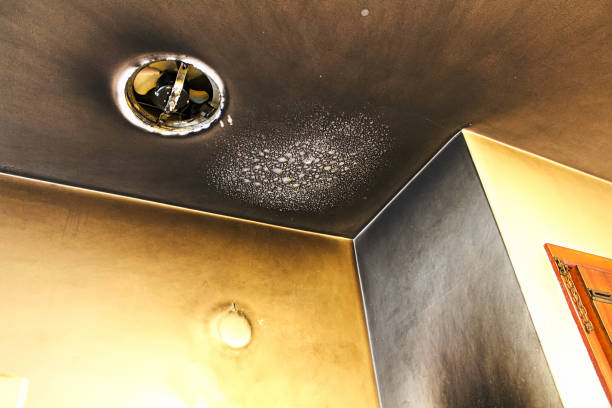
Whenever a fire attacks, the consequences include devastation and mayhem. Making fast actions and acting accordingly can create some miracle as far as restoration of fire damages in Boise, ID or any other place is concerned. Nevertheless, this procedure should be carefully planned and carried out and should take a number of steps. Let us discuss them in detail:
Step 1: Evaluate the Damage
The first step in fire damage restoration would be to evaluate it. The whole survey must involve a thorough inspection to identify structural damages, soot deposits, or smoke residue, which need to be repaired within the shortest possible time. By evaluating this damage, an outline of restoration can be created and at the same time identify areas that need urgent repair.
Step 2: Safety is a Critical Priority.
In the case of a fire-damaged house, the first consideration should be safety. It is important to ensure that it is safe to get into the building before going in. Switch off all the utilities including gas, water and electricity. Wear protective clothes, i.e. gloves, mask, and strong shoes. This keeps you safe against potential dangers of sharp objects, contaminated water and smoke.
Step 3: Remove Debris and Soot
After the safety door is opened, it is time to start cleaning debris and soot around affected places so that there are minimal damages caused and that restoration work can be provided with an ideal working atmosphere. Get ready to remove soot in your entry way – use equipment and cleaning agents that are designed to pick up soot (HEPA filters on vacuum cleaners will efficiently pick up minute sized soot) and begin de-sooting your place.
Step 4: Clean and Deodorize
The deodorization and cleaning of the property is critical to the elimination of the smoke odors and the prevention of future damages. Restoration of smoke damages in Boise, ID or any other place involves cleaning of all surfaces, be it walls, ceilings, or floors. Clean with cleaning agents that are specifically made to remove trace of smoke. Moreover, air scrubbers, ozone generators, or thermal foggers should be used to deodorize the area. This process will ensure that your home is free of the acoustic remnant of smoke.
Step 5: Repair and Restore
After cleaning and deodorizing, the other process in the fire damage restoration is the process of repairing and restoring the damaged section- This may include replacing structural parts or materials that are destroyed, repainting walls to restore it to a natural state. To this, you might require the services of professionals.
Step 6: Address Water Damage
Water damage can take place because of firefighting efforts. This issue should be tackled as early as possible in order to prevent the appearance of the mold and the further structural damage. Wipe using fans and dehumidifiers to dry up the affected. Take away the damaged goods of water-damage before beginning repairs, and ensure that the property is completely dry.
Step 7: Final Linishing and Cleaning.
The last are the steps involved in a thorough inspection and final cleaning. Ensure that all repairs are done safely to occupancy and then perform an extensive final clean up to wash out any remaining debris to ensure that your home is fully repaired. This is the last thing to do and this will bring a lot of peace of mind and guarantee the complete restoration of your home.
Endnotes
Replenishing a building that has been burnt down is not an easy task. Nevertheless, it can be achieved by adhering to seven major steps that will help to cope with the process and make it more effective. It is also possible to rebuild your home into the original clean state through evaluating the damage, providing safety, clearing debris, cleaning and deodorizing, fixing and restoring, water damage, and lastly performing a final inspection.
Learn More:- Top Business Magzine